
CJP Today: Why It Rose, What It Stands For and the October 2026 Situation
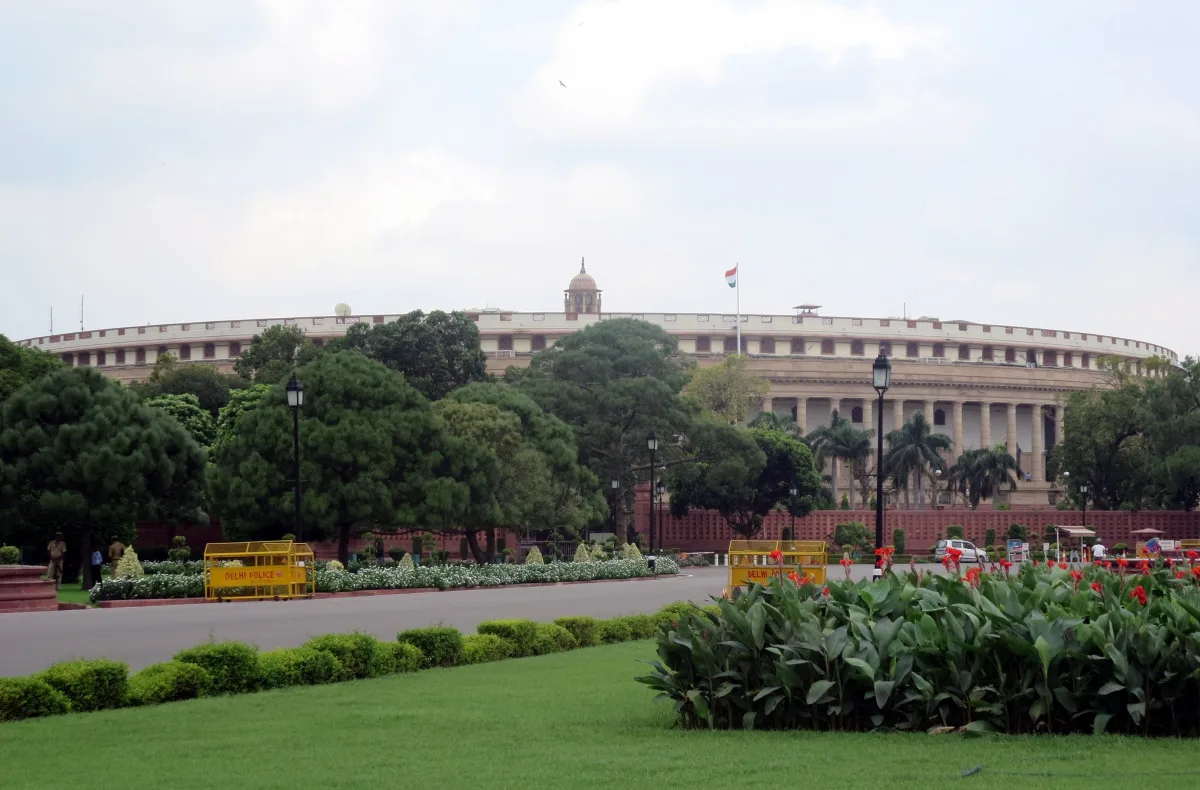
Archive photograph: Old Sansad Bhavan, New Delhi, 5 September 2014. This is a context image, not a photograph of the October protests. Photo: Nikhil B / Wikimedia Commons, CC BY-SA 4.0. Resized to WebP; displayed to fit the layout.
The latest verified reporting reviewed here is from 11 October. CJP leaders have been released after detention, while the movement's focus has shifted from education accountability to the dispute over electoral rolls. This explainer separates reported events, the movement's demands and editorial analysis.
What is happening now?
Abhijeet Dipke, Saurav Das and Ashutosh Ranka were released on 11 October after being detained ahead of a planned Delhi protest. AFP reporting carried by Onlinekhabar attributed the release to an executive magistrate and reported a one-year condition to maintain peace, citing the movement's lawyer Ratna Singh. That condition should not be read here as a finding of guilt.
The planned mobilisation sought the resignation of Chief Election Commissioner Gyanesh Kumar over alleged voter-roll irregularities. Business Today reported that the leaders were detained on 10 October after their flight arrived from Mumbai. Their release does not settle the underlying electoral dispute.
Why did CJP emerge?
The movement began in May 2026 as a satirical response to remarks by Chief Justice Surya Kant. The Indian Express's May explainer records both the backlash and his subsequent clarification that his criticism concerned people entering professions with bogus qualifications, rather than India's youth as a whole. Founder Abhijeet Dipke used the cockroach identity to turn that controversy into a youth-facing platform.
Its appeal extended beyond the original remark. ABC's July reporting described a movement built through memes and satire that tapped frustration about job shortages, corruption and exam-paper leaks. The NEET controversy became a major rallying point, connecting an online identity to student protests and demands for education accountability.
How did an internet movement become a public campaign?
The format lowered the barrier to participation: short videos, recognisable symbols and humorous slogans gave young people a shared language. Support then moved into sit-ins, marches and public demands. CNA's analysis connects this mobilisation to a deeper problem: families invest heavily in education, while unreliable exams and limited opportunities weaken confidence that hard work will bring security.
Our analysis: CJP's strength is its ability to make abstract questions of accountability feel personal and accessible. Its next challenge is organisational: sustaining attention, documenting complaints and turning pressure into measurable remedies. Online popularity alone does not establish membership numbers, electoral support or policy implementation.
Where does CJP stand?
- Education and opportunity: Its July mobilisation pressed for accountability over examination irregularities. The grievances connect to fair access to education and employment.
- Voting rights: The October campaign challenges alleged exclusion of eligible voters and seeks accountability from election leadership.
- Institutional accountability: The early manifesto reported by The Indian Express included protection of legitimate votes, independent media, representation for women, limits on political defections and opposition to post-retirement rewards for judges.
- Democratic participation: Dipke told The Indian Express in May that dissent should proceed through peaceful and democratic means.
These are reported positions of the wider movement. This article does not establish that this website is authorised to speak for its national leadership, or that CJP has become a registered electoral party. The May reporting described it as an unregistered satirical formation; a current registration claim would require separate official verification.
The voter-roll dispute: claims and responses
CNN reporting published by KESQ on 11 October explains that the revision is intended to remove deceased, duplicate and otherwise ineligible entries. CJP and opposition groups allege that eligible voters are also being removed and that this benefits the BJP. The BJP and Election Commission deny manipulation. The same report records extensive security restrictions and detentions around the protest.
Those allegations are disputed, not proven here. A deleted entry and unlawful disenfranchisement are not interchangeable: the evidence must establish eligibility, the reason for removal, notice and the opportunity to correct the record. This article does not offer a verified nationwide total of wrongful removals.
A timeline of the movement
- May 2026: Satire around the cockroach identity gains attention amid debate over youth dignity and institutional accountability.
- June-July: Exam grievances fuel sustained demonstrations, bringing the movement into public mobilisation.
- July: Reporting describes Education Minister Dharmendra Pradhan's resignation after the student campaign. This historical outcome does not prove that every promised reform has been completed.
- 10 October: Leaders are detained ahead of the Delhi electoral-roll protest.
- 11 October: Three leaders are released under a reported peace condition; the electoral dispute remains unresolved.
- 12 October: This explainer is updated using the reporting linked above.
What should readers watch next?
Look for documented decisions on disputed voter entries, published responses from the Election Commission, independently verified developments involving detained protesters and specific reform commitments. For education, the useful test is whether exam security, complaint handling and accountability actually improve. Treat forwarded protest notices and dramatic social-media claims as unverified until checked against identifiable sources.
Reader action: Check your own voter entry through the Election Commission's voter services portal. For any discrepancy, consult the official instructions and your local electoral office. Share source links, dates and corrections when discussing the movement.
Sources and editorial note
This is an original synthesis of the linked Indian Express, ABC, CNA, AFP/Onlinekhabar, Business Today and CNN/KESQ reports. It is not an eyewitness account. Allegations are attributed, historic developments are dated, and the web-sourced image has an explicit licence and archive caption. Future announcements and new legal developments require a fresh update.
🪳 Got an Issue to Report?
If you've witnessed corruption, injustice, or a story that needs to be told — post it on our Community Issues Board.
Report an Issue Join WhatsApp Channel

